Improving Health with Quality Cleaning Materials
In our fast-paced world, the importance of maintaining a clean environment often takes a back seat to other pressing concerns. However, the connection between cleanliness and health is undeniable. Utilizing quality cleaning materials goes beyond merely ensuring a visually appealing space; it safeguards and enhances our overall well-being. This article delves into how superior cleaning products can bolster health and hygiene, particularly in residential, commercial, and healthcare settings.
The Relationship Between Cleanliness and Health
Clean living and working spaces play a crucial role in preventing the spread of illnesses and infections. Germ-laden surfaces can be a breeding ground for bacteria and viruses, directly impacting our health. The simple act of regularly cleaning and disinfecting high-touch areas, such as doorknobs, light switches, and countertops, can significantly reduce the risk of disease transmission. However, the effectiveness of this preventive measure largely depends on the quality of the cleaning materials used.
Understanding Quality Cleaning Materials
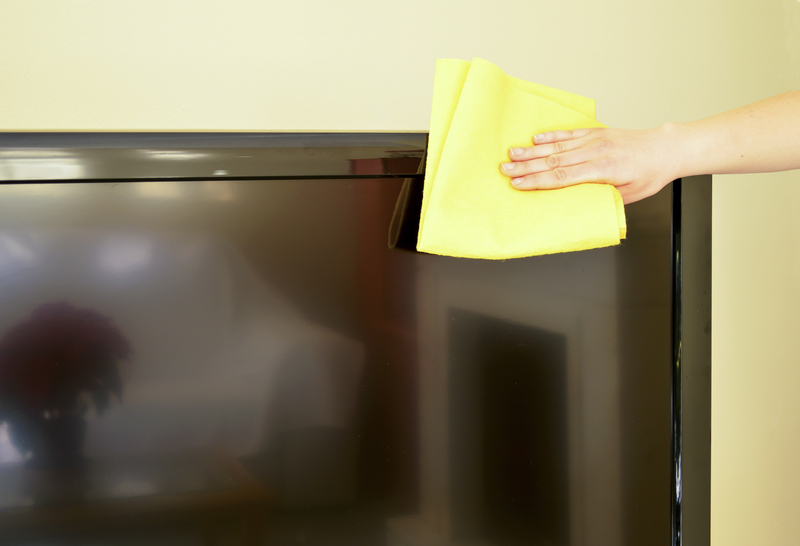
Not all cleaning materials are created equal. High-quality cleaning products are formulated to not only remove dirt and grime but also eradicate harmful pathogens effectively. These materials are typically tested and certified by health and safety authorities, ensuring they meet stringent standards. Key attributes of quality cleaning materials include:
- Efficiency: High-quality cleaning agents are designed to clean surfaces thoroughly without leaving residues, which can harbor bacteria and allergens.
- Safety: Superior cleaning products are less likely to contain harmful chemicals that can cause respiratory problems, skin irritations, and other health issues.
- Eco-friendliness: Environmentally friendly cleaning materials reduce the ecological footprint and minimize pollution, contributing to overall environmental health.
- Cost-effectiveness: Though they may be more expensive upfront, quality cleaning products often provide better results with less effort and fewer quantities, making them cost-effective in the long run.
The Role of Disinfection in Health Improvement
Disinfection is an integral part of maintaining a clean and healthy environment. It involves using chemical agents, like alcohol or chlorine-based cleansers, to eliminate microorganisms on surfaces and objects. Quality disinfectants are crucial in high-risk areas, such as hospitals, kitchens, and bathrooms, where the presence of pathogens is more likely. Proper disinfection practices can help prevent outbreaks of diseases such as influenza, norovirus, and even COVID-19.
It's important to note that the method of application and the contact time of the disinfectant--how long it remains on the surface--play critical roles in its effectiveness. Using high-quality disinfectants as directed ensures that harmful pathogens are appropriately neutralized, reducing the risk of infection.
Impacts of Poor-Quality Cleaning Materials
Using subpar cleaning materials poses several health risks. Inferior products may fail to effectively remove pathogens, leaving behind residues that can harbor bacteria. Additionally, low-quality cleaning agents often contain harsh chemicals that can cause adverse health effects, such as allergic reactions, skin irritations, and respiratory issues. Eco-toxic chemicals in these products can also contaminate water supplies and harm wildlife, indirectly affecting human health through ecological imbalances.
Occupants in environments cleaned with poor-quality materials may experience discomfort and health issues more frequently, underscoring the importance of investing in superior cleaning products for long-term health benefits.
Cleaning Protocols in Healthcare Settings
In healthcare environments, cleanliness is paramount. Hospitals and clinics adhere to stringent cleaning protocols, employing high-quality disinfectants and rigorous methods to ensure patient safety. Quality cleaning materials are an essential part of infection control practices in these settings. For example, the use of hospital-grade disinfectants, which are more potent than regular ones, helps mitigate the spread of healthcare-associated infections (HAIs). Ensuring that cleaning staff are well-trained and equipped with the best materials minimizes the risk of cross-contamination and enhances patient outcomes.
Choosing the Right Cleaning Products for Home Use
For residential settings, selecting the right cleaning products can significantly affect the health and comfort of your home. Opt for products that are free from toxic chemicals, especially if you have young children, pets, or individuals with allergies or asthma. Many brands now offer eco-friendly and hypoallergenic options that are both effective and safe for home use. Regular cleaning regimes, along with high-quality cleaning supplies, can create a healthier living environment, reducing the incidence of common household ailments like colds and respiratory problems.
Commercial Spaces and Employee Well-being
Maintaining cleanliness in commercial spaces is not only good for business but also directly impacts employee well-being. A clean work environment reduces the likelihood of workplace illnesses, leading to fewer sick days and increased productivity. Employers should invest in quality cleaning materials and services to ensure a hygienic workspace. Regular cleaning of communal areas, workstations, and bathrooms can create a healthier, more pleasant work environment, fostering overall job satisfaction.
Practical Tips for Effective Cleaning
To maximize the benefits of quality cleaning materials, it's essential to follow best practices for effective cleaning:
- Follow Instructions: Always read and adhere to the manufacturer's guidelines on the cleaning product for optimal results.
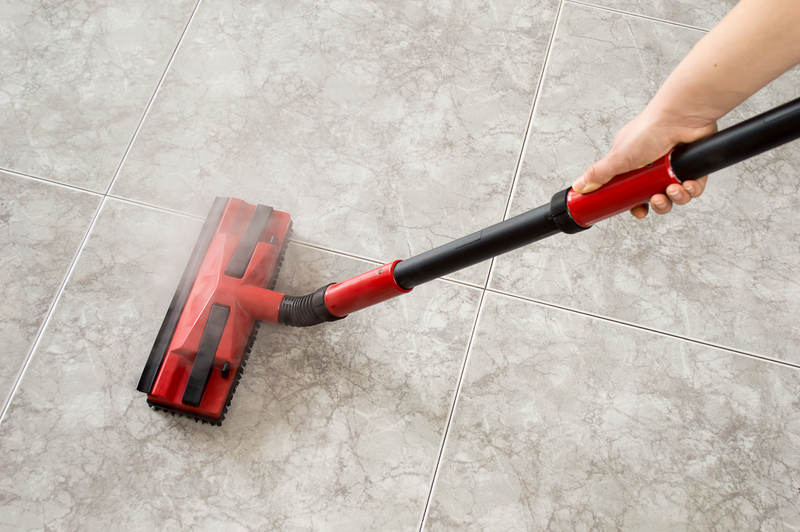
- Use Appropriate Tools: Utilize the right tools, such as microfiber cloths, mops, and brushes, to enhance the effectiveness of cleaning agents.
- Regular Cleaning Schedule: Establish a regular cleaning schedule to maintain consistent hygiene standards.
- Focus on High-Touch Areas: Pay extra attention to frequently touched surfaces that are more likely to harbor pathogens.
- Dispose of Waste Properly: Proper disposal of cleaning waste prevents environmental contamination and maintains overall cleanliness.
Conclusion
Quality cleaning materials play an indispensable role in promoting and maintaining health. By investing in superior cleaning products and adhering to effective cleaning protocols, individuals and organizations can create safer and healthier environments. From reducing the risk of infections in healthcare settings to enhancing employee well-being in commercial spaces and ensuring a clean and comfortable home, the benefits of using high-quality cleaning materials are far-reaching. Prioritizing cleanliness with the right tools and methods is a vital step towards a healthier and more sustainable future.
In conclusion, improving health with quality cleaning materials is not just about aesthetics; it's about making informed choices that positively impact our lives and the environment. By doing so, we contribute to a healthier community and world.
