Maintaining Clean and Polished Wood Floors
Wood floors add a touch of elegance and warmth to any home or office. They are durable, timeless, and can last for decades with proper care. However, maintaining clean and polished wood floors requires regular attention and the right techniques. In this comprehensive guide, we will delve into various aspects of wood floor maintenance to help you keep your floors looking pristine.
Understanding Wood Floors
Wood floors come in several types, each requiring different maintenance levels. Solid hardwood, engineered wood, and laminate are the most common varieties. Solid hardwood is made from a single piece of timber, offering longevity and the ability to be refinished multiple times. Engineered wood consists of multiple layers, with a hardwood veneer on top, making it more resistant to moisture and temperature changes. Laminate wood mimics the appearance of wood but is much easier to maintain.
Regular Cleaning Routine
A key component of maintaining clean wood floors is developing a regular cleaning routine. The following are crucial steps to include in your routine:
Dusting and Sweeping
Dust and dirt act like sandpaper, grinding away at the finish of your wood floors. To prevent this, dust or sweep your floors daily using a microfiber mop or a soft-bristle broom. These tools effectively capture dust without scratching the wood surface.
Vacuuming
Vacuuming once a week is essential for removing debris from hard-to-reach areas. Utilize a vacuum with a floor-brush attachment to avoid damaging the wood. Ensure the vacuum is set to the proper height to prevent scratching.
Mopping
Mopping wood floors can be tricky since moisture can damage wood. Use a damp (not wet) microfiber mop and a pH-neutral wood floor cleaner. Avoid soaking the floor and immediately dry any excess water with a clean towel.
Dealing with Spills and Stains
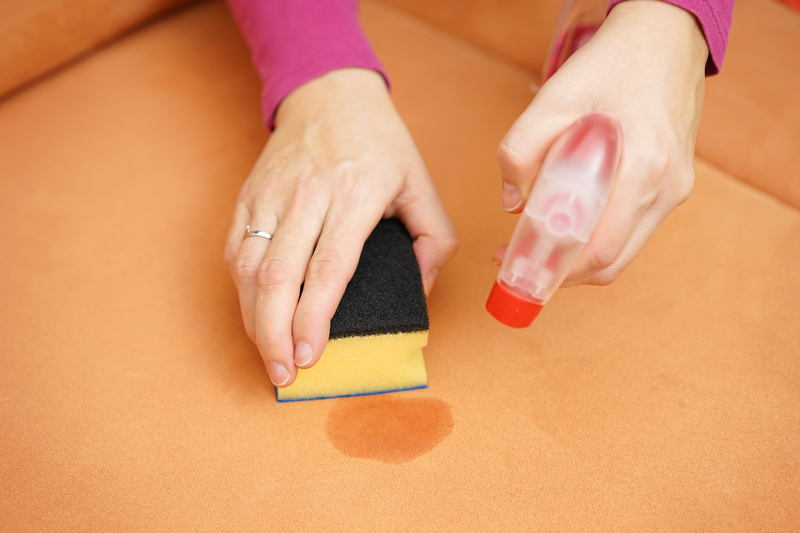
Spills and stains are inevitable, but prompt action can prevent lasting damage. Quickly blot spills with a soft, dry cloth to absorb as much liquid as possible. For sticky or stubborn spills, use a damp cloth and a small amount of mild soap. Avoid harsh chemicals and abrasive cleaners that can strip the floor's finish.
Preventing Stains
Prevention is always better than cure. Place mats at entrances to reduce the amount of dirt and moisture tracked onto your floors. Use area rugs in high-traffic areas and under furniture to protect the flooring. Additionally, avoid walking on wood floors with high heels or shoes with sharp edges, which can dent the surface.
Polishing and Refinishing
Polishing and refinishing are essential for maintaining the luster and longevity of wood floors.
Polishing
Polishing not only enhances the shine of your floors but also adds a layer of protection against wear and tear. Use a high-quality wood floor polish and apply it according to the manufacturer's instructions. Typically, polishing should be done every few months, depending on the level of traffic.
Refinishing
Refinishing involves sanding down the top layer of the wood to reveal a fresh surface, followed by applying a new finish. This process can be labor-intensive and is usually done every 5-7 years for solid hardwood floors. Engineered wood can only be refinished a few times due to its thinner veneer. Refinishing restores the floor's original beauty and extends its lifespan.
Protecting Wood Floors
Protection is a vital part of maintaining clean and polished wood floors. Here are ways to safeguard your floors from damage:
Using Furniture Pads
Furniture can leave scratches and dents on wood floors. Apply felt pads to the legs of chairs, tables, and other furniture to prevent this damage. Regularly check and replace these pads as they wear out.
Maintaining Optimal Humidity
Wood is sensitive to changes in humidity and temperature. Use a humidifier in the winter and a dehumidifier in the summer to maintain a consistent indoor environment. This helps prevent the wood from expanding, contracting, and warping.
Protective Sealants
Applying a protective sealant can create a barrier against moisture, scratches, and stains. Choose a sealant appropriate for your type of wood floor and apply it as recommended by the manufacturer. Reapply the sealant periodically to maintain its effectiveness.
Common Mistakes to Avoid
Knowing what not to do is just as important as knowing the right techniques. Here are some common mistakes to avoid when maintaining wood floors:
Using Too Much Water
Excessive water can cause wood floors to warp and buckle. Always use a damp mop rather than a soaking wet one, and dry the floors immediately after mopping.
Harsh Cleaning Products
Avoid using cleaning products that contain ammonia, bleach, or other harsh chemicals. These substances can strip the finish and damage the wood. Stick to pH-neutral cleaners designed specifically for wood floors.
Neglecting Routine Maintenance
Skipping regular cleaning, polishing, and refinishing can lead to a buildup of dirt and a dull, scratched surface. Consistent maintenance is key to preserving the beauty and longevity of your wood floors.
Conclusion
Maintaining clean and polished wood floors requires diligence, the right techniques, and appropriate products. By incorporating a daily cleaning routine, addressing spills promptly, protecting your floors from damage, and avoiding common mistakes, you can keep your wood floors looking beautiful for years to come. Whether you have solid hardwood, engineered wood, or laminate, these tips will help you enjoy the timeless elegance and warmth that wood floors bring to any space.
