Wax Spill Removal Solutions
Wax spills can be a nightmare to clean up, especially if they've solidified on a surface. Whether it's candle wax, crayon wax, or even paraffin wax, getting it off your floors, carpets, or furniture requires some know-how. This article delves into effective wax spill removal solutions, offering practical tips, pros and cons, and expert advice.
Understanding the Nature of Wax
Wax is a hydrophobic substance, meaning it repels water and is often composed of paraffin, beeswax, or soy wax. Its primary characteristics -- solid at room temperature and liquid when heated -- make it challenging to remove if spills occur.
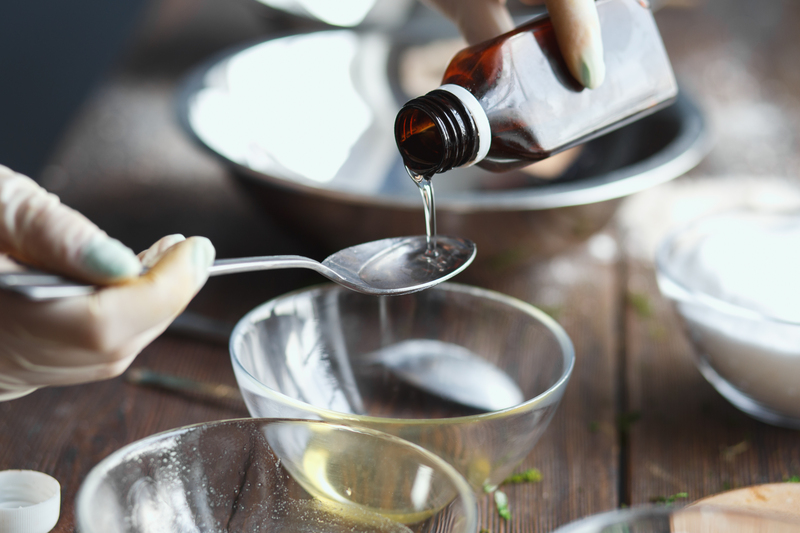
Tools Needed for Wax Removal
Before you start the wax-removal process, gather these essential tools:
- Butter knife or plastic scraper: To gently lift the dried wax.
- Iron or hairdryer: For melting the wax back into a liquid state.
- Absorbent paper (like paper towels or brown paper bags): To soak up melted wax.
- Ice cubes: To harden the wax for easier scraping.
- Cleaning agents: Such as rubbing alcohol or vinegar for surface finishing.
Step-by-Step Wax Spill Removal Solutions
Method 1: Freezing the Wax
1. Apply Ice: Place ice cubes in a plastic bag and apply them to the spilled wax.
2. Let it Harden: Allow the wax to become brittle.
3. Scrape Off: Use a butter knife or plastic scraper to lift off the wax carefully.
Method 2: Heating the Wax
1. Place Absorbent Paper: Put a sheet of absorbent paper over the wax spill.
2. Apply Heat: Use a warm iron or hairdryer held a few inches away to melt the wax.
3. Absorb the Wax: The melted wax will transfer onto the absorbent paper.
Method 3: Using Cleaning Agents
1. Initial Removal: Remove as much wax as possible using one of the previous methods.
2. Apply Cleaning Agent: Soak a cloth in rubbing alcohol or vinegar and gently rub the stained area.
3. Wipe Clean: Use a clean cloth to wipe away any residue.
Special Cases: Carpets and Upholstery
1. Scrape off Excess Wax: As much as possible without damaging the fibers.
2. Use Heat and Absorbent Paper: Place absorbent paper over the wax and apply a warm iron.
3. Vacuum: Once the wax is lifted, vacuum the area to remove any remaining particles.
4. Cleaning Solution: Apply a carpet or upholstery cleaner to remove any lingering stains.
Pros and Cons of Each Method
Freezing Method
Pros:
- Effective for removing large amounts of wax.
- Minimizes risk of spreading the stain.
Cons:
- Time-consuming.
- Not always practical for deeply embedded wax.
Heating Method
Pros:
- Quick and effective for most surfaces.
- Great for wax embedded in textile fibers.
Cons:
- Risk of burning the surface if not careful.
- May require multiple applications for complete removal.
Cleaning Agents
Pros:
- Effective for removing stains and residues.
- Easy to use on a variety of surfaces.
Cons:
- Can damage some materials if not tested beforehand.
- Requires proper ventilation.
Expert Tips for Wax Spill Removal
1. Test First: Always test the cleaning agent on an inconspicuous area before full application.
2. Work Gently: Avoid scrubbing aggressively to prevent damage to surfaces.
3. Use Proper Ventilation: When using cleaning agents, ensure the area is well-ventilated.
4. Act Quickly: The sooner you address the spill, the easier it is to remove.
Takeaways
- Wax removal requires a combination of heating, scraping, and cleaning.
- Select the method most suitable for your specific situation and surface.
- Use appropriate tools and cleaning agents carefully to avoid damage.
- Always test cleaning agents on a small area first.
Conclusion
Wax spills are undeniably frustrating but entirely manageable with the right approach. Whether you choose to freeze the wax, melt it away, or clean the residue, you can restore your surfaces to their original condition with minimal effort. Always remember to test cleaning solutions first and handle heated appliances with care to avoid accidents.
Direct Answer: Various methods to remove wax spills include freezing with ice to harden and scrape, heating with an iron or hairdryer to melt and absorb, and using cleaning agents like rubbing alcohol or vinegar for residue removal. Each method has its pros and cons, and it's crucial to test any cleaning agent on a small, hidden area before fully applying.
